



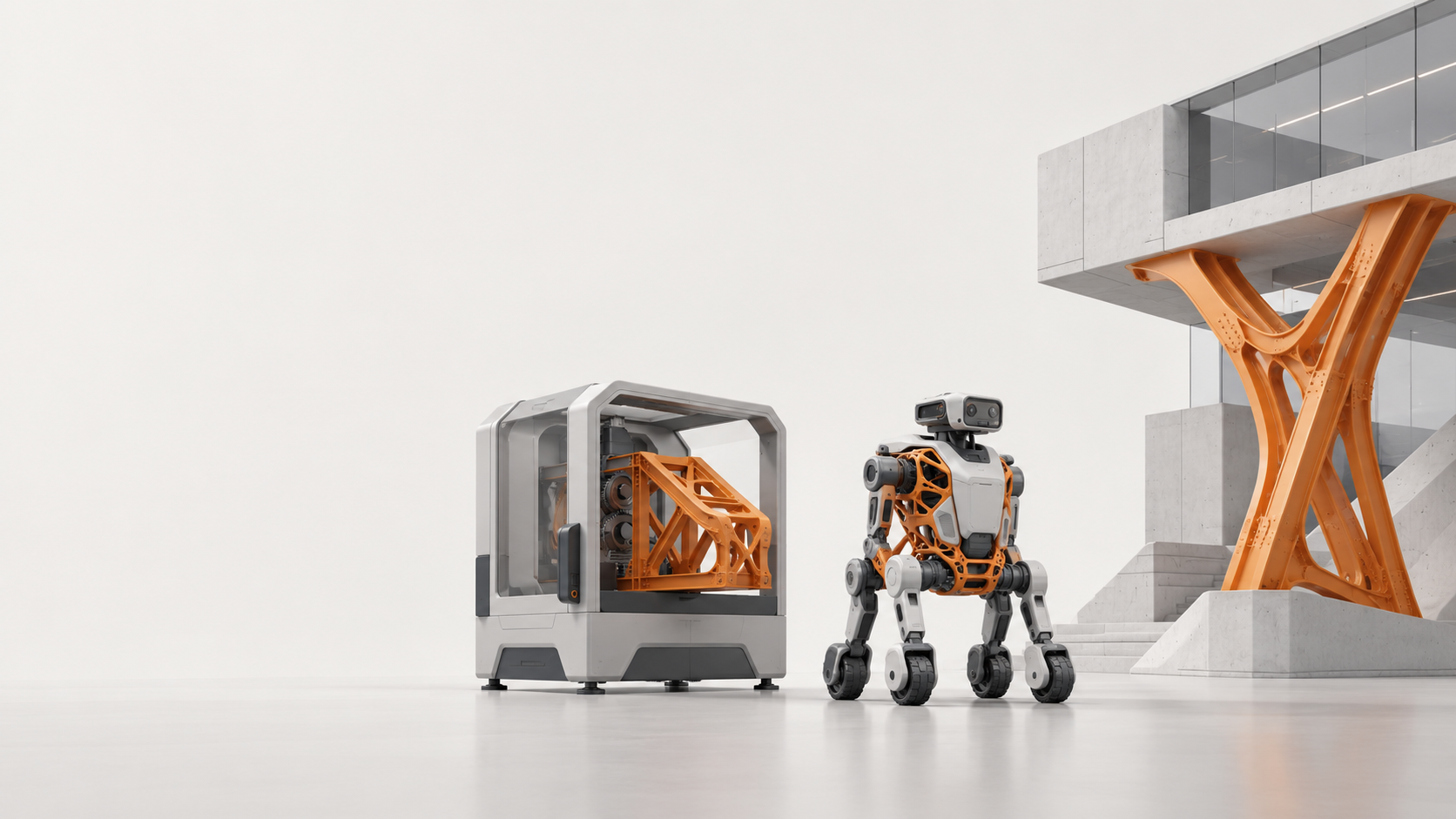
What if products only “borrow” their materials?
What if materials weren’t consumed, but only used temporarily?
This question is particularly on my mind right now because it approaches industrial design not from the perspective of the product itself, but from the perspective of the value of the materials that hold a product together only temporarily.
These are the kinds of questions that give rise to my Design Vision Studies: not product announcements, not predictions about what the world will look like in 2040, but thought experiments about which assumptions we could reexamine in design.
BORROWED MATTER is one of them.
Who actually owns the parts of a machine?
A company purchases steel, aluminum, copper, or plastic. These materials are used to make a product. The product is then sold, used, and eventually disposed of, dismantled, or recycled.
This is how industrial production has worked for a very long time.
But what if we changed one fundamental assumption?
What if materials weren’t simply permanently incorporated into a product, but instead performed a specific function for a limited time?
For example, a machine would not have used 800 kilograms of stainless steel.
She had borrowed 800 kilograms of stainless steel.
After 20 years, the machine’s life may come to an end.
But not that of steel.
From Residual Value to Tangible Assets
Today, at the end of a product’s life cycle, we often talk about residual value or scrap value.
These terms alone show just how much we view materials from the perspective of the product.
As long as the material is part of the machine, it serves a function and has value.
As soon as the machine is no longer needed, the same high-quality material suddenly becomes “scrap.”
But you could also look at it another way:
as tangible assets.
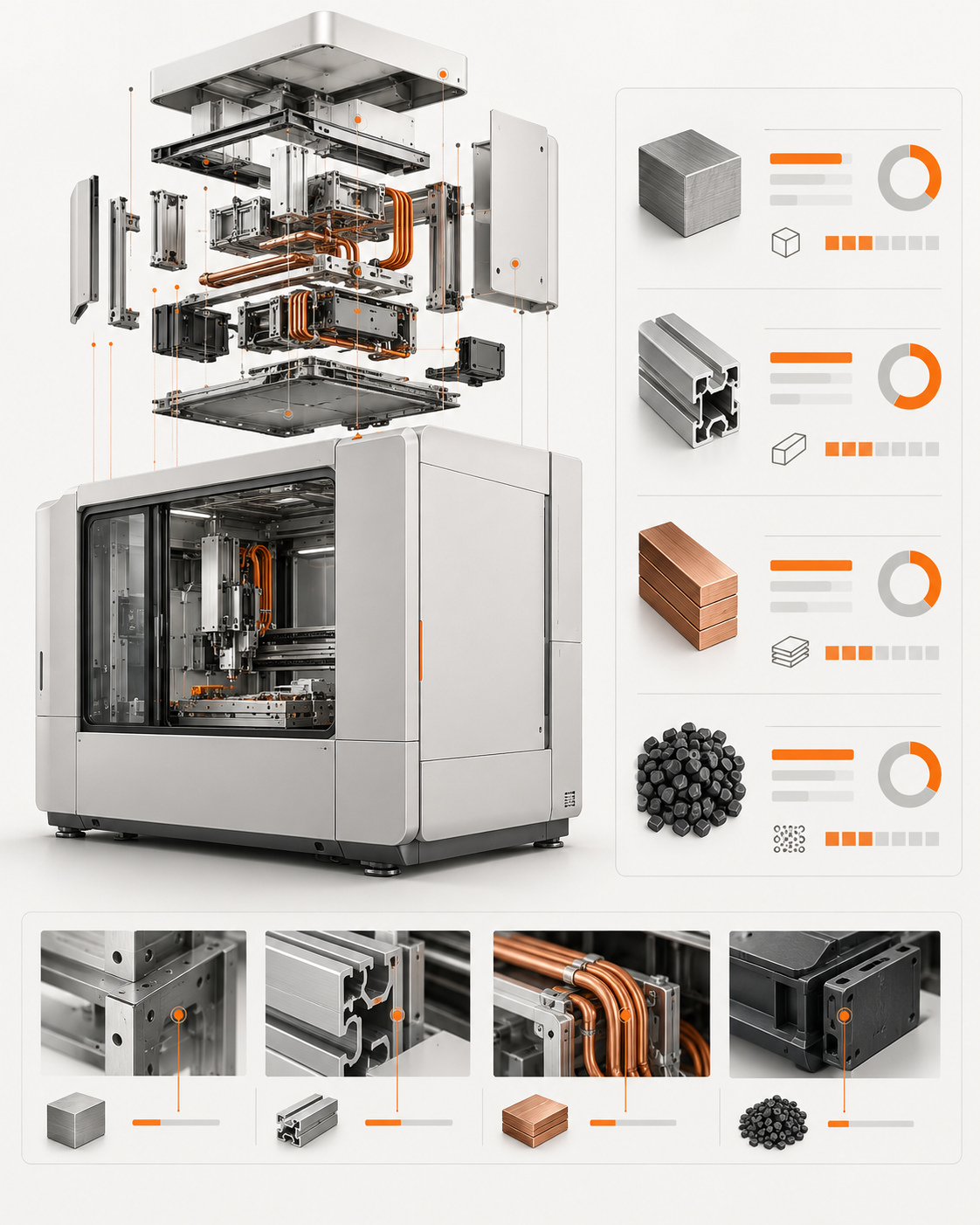
In addition to its technical and economic value, a machine would then have its own material account.
For example:
2,840 kg of steel
412 kg of aluminum
86 kg of copper
In addition, there would be information on:
- Origin
- Material Quality
- Alloy
- Processing Status
- Age
- Usage History
- Load
- Dismantlability
- possible next use
The crucial question would change.
No longer just:
How much is the old machine still worth?
Rather:
What is the value of the materials that currently make up this machine?
Design for Residual Value
This is where the concept becomes interesting for industrial design.
After all, if a material has intrinsic future value, that changes the way we design products.
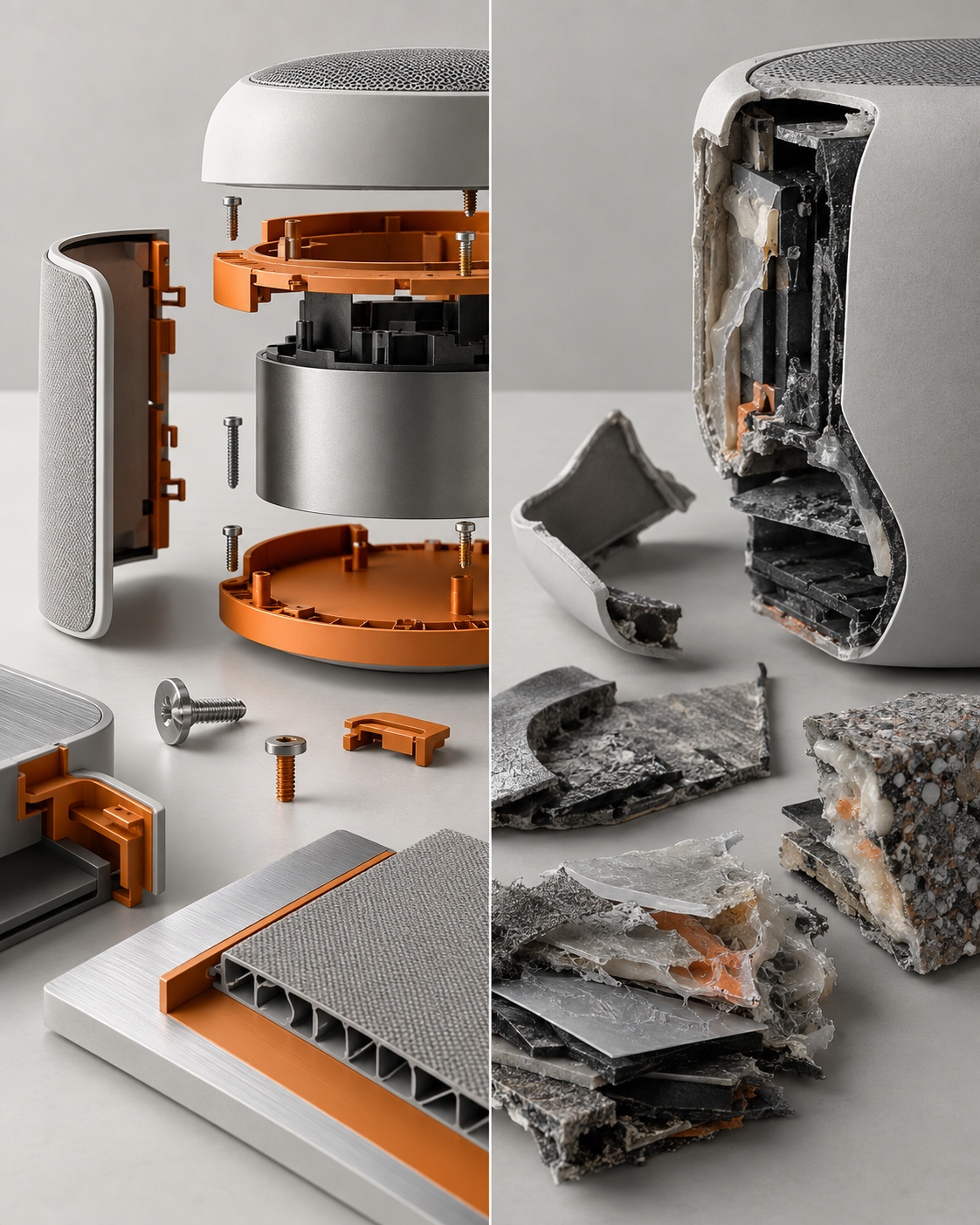
A combination of two high-quality materials that, after 20 years, can hardly be separated from one another would then be more than just an environmental problem.
It would, quite specifically, destroy wealth.
A detachable connection, on the other hand, adds value.
A bonded combination of materials might be cost-effective for the first life cycle, but could significantly reduce the material’s future value.
A component assembled with screws or using reversible joints may appear more complex, but it preserves the quality of the materials.
This would expand upon a well-known concept from circular design.
Not only that:
Design for Disassembly
but rather:
Design for Residual Value
The question is then no longer just:
How do I take a product apart?
Rather:
How much value actually remains after disassembly?
A New Design Parameter
Today, industrial design must balance many competing demands:
- Function
- Ergonomics
- Manufacturing
- Costs
- Weight
- Maintenance
- Security
- Brand Identity
BORROWED MATTER would add another parameter:
future material value.
Suddenly, every structural or design decision would have to take the following into account:
- Can this material be recycled later by type?
- Is its quality compromised by a coating or bonding process?
- Can a component be reused directly?
- Does it need to be melted down?
- Is the geometry suitable for a second use?
- How time-consuming is the disassembly?
Material efficiency would therefore not simply mean using as little material as possible.
It would also mean destroying as little material value as possible.
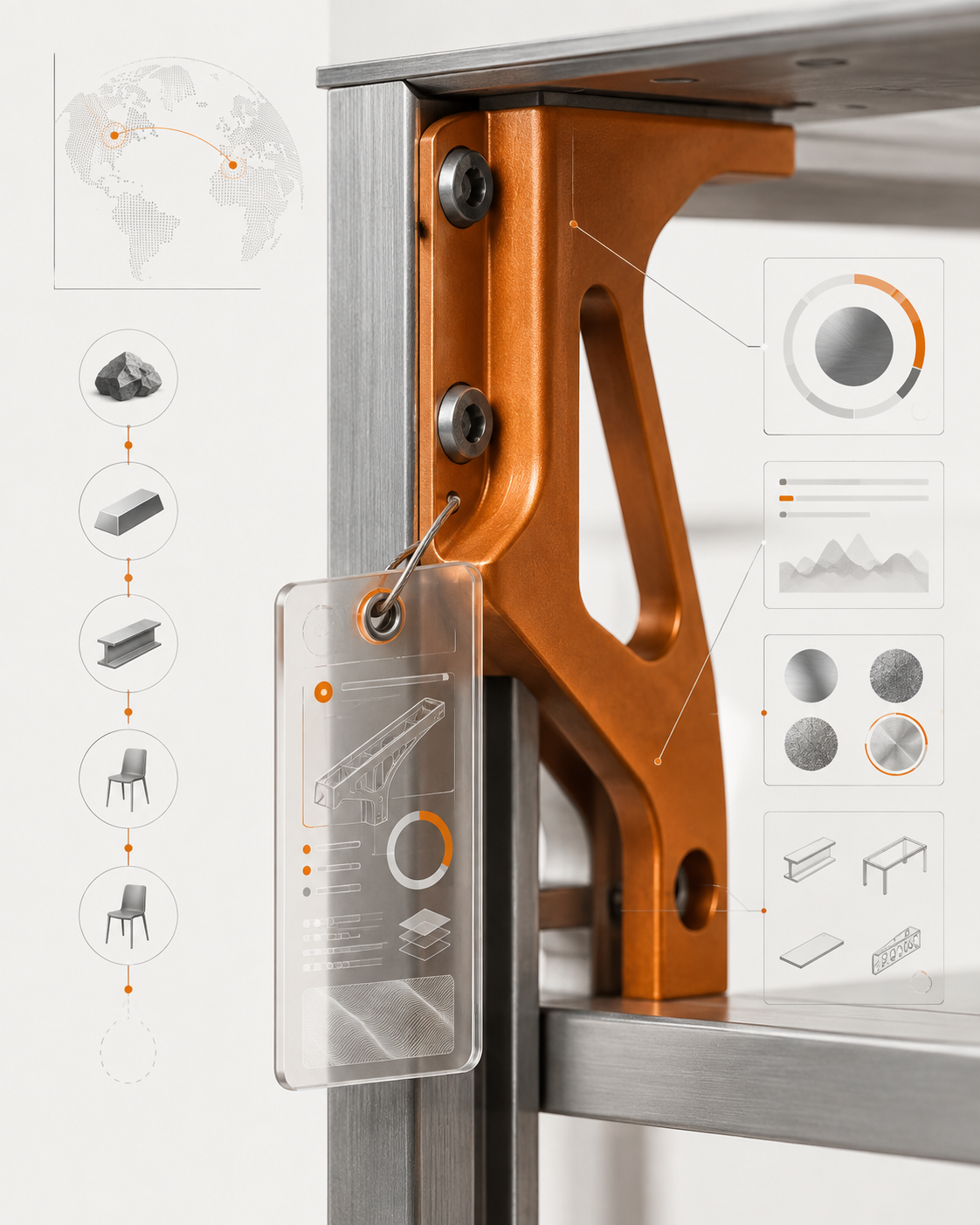
Perhaps materials need a biography
Today, products have serial numbers.
Machines have service histories.
Vehicles have chassis numbers.
But the material itself usually disappears anonymously into the product.
Why, actually?
Perhaps high-quality materials will need their own identity in the future.
Not as a romantic story, but as a verifiable technical biography.
A digital material passport could, for example, show:
Age of the material: 71 years
Product life: 3
Material: Stainless steel
Quality Status: 94%
Potential for future use: high
And next to that:
2032 – Machine housing
2054 – Robotics structure
2071 – Building component
The product is changing.
The material remains.
The Three Lives of a Material
Let’s imagine a high-quality steel.
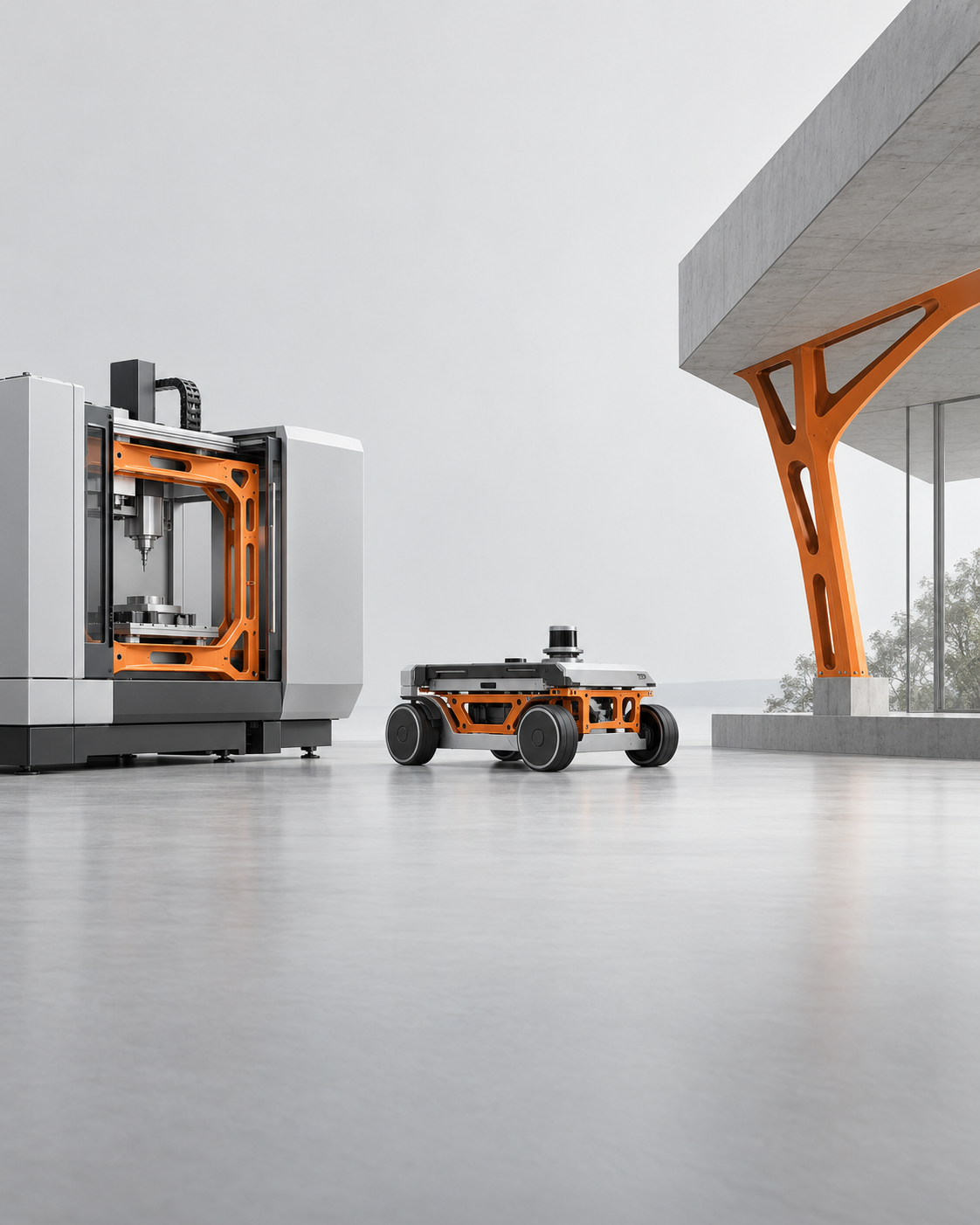
In 2032, it will become the supporting structure of a production machine.
After 22 years, this machine is being taken out of service.
The steel is not scrapped, but rather dismantled, inspected, and reused.
In 2054, it will become the chassis of an autonomous robotic system.
Several years later, this product’s life cycle also comes to an end.
The material will be inspected again.
In 2071, it will become part of a building complex.
From a product perspective, three completely different things have emerged.
From the perspective of the material, it is a continuous biography.
This material has been in use for 71 years.
This perspective changes the way we see things.
The Product as a Temporary State
Perhaps that is the real idea behind *BORROWED MATTER*:
A product is not the final state of a material.
It’s just a temporary configuration.
Steel is a machine for a few years.
Then maybe “robotics structure.”
Later Architecture.
The product is perishable.
Not the material.
This also changes the role of the designer.
We no longer just design:
What will happen to this material now?
But also:
What else can be made from it afterward?
Material as an Asset
The idea is also interesting from an economic perspective.
If high-quality materials retain their value over multiple product lifecycles, new business models could emerge.
A manufacturer might no longer sell the material in its entirety, but rather grant permission to use it.
A material pool could remain the owner of certain materials.
Machines could consist of two separate values:
Product Value
, and
Material Asset Value
The customer buys the machine’s functionality.
The material value remains traceable separately.
At the end of its useful life, not only is the machine evaluated, but also the value of its materials.
That could change economic incentives.
Today, a cheap, hard-to-break connection can be attractive in the short term.
In a system designed to preserve material value, that same decision could prove costly in the long run.
Rethinking Ownership
In this way, *BORROWED MATTER* raises an even more fundamental question.
If a product’s material can continue to be used over many decades and across multiple applications:
Who does it actually belong to?
The manufacturer?
The operator?
A material pool?
The next user?
Or does it essentially belong to no one permanently, but is simply passed down through the generations?
That question sounds philosophical.
But it’s also economical.
Because ownership entails responsibility.
If I know that I’ll get a material back after 20 years, it’s in my best interest to ensure that it retains its value.
If I know that my product is just a stop along the way in a material’s life cycle, I might design it differently.
A Different Perspective on Sustainability
BORROWED MATTER is not meant to be just another sustainability campaign.
No green arrows.
No leaves.
No claim that every product can be fully recyclable.
Rather, the study asks a different question:
What happens when we stop looking at materials from the product’s perspective?
These days, our thinking often stops at the product life cycle.
Perhaps the time frame under consideration should be much longer.
A product has a lifespan of ten, twenty, or thirty years.
A high-quality material could last for centuries.
So why should the product, of all things, be the one to decide when its story ends?
Implications for Industrial Design
If you take this line of thinking to its logical conclusion, the role of the industrial designer changes.
We don’t just design:
- Form
- Function
- Usage
- Ergonomics
- Brand
but also:
- Disassembly
- Material Preservation
- Transitions Between Product Life Cycles
- future reuse
- stability of material value
Industrial design would thus become more of a discipline that shapes time.
Not just the next five years.
Or maybe the next fifty.
BORROWED MATTER as a Design Vision
BORROWED MATTER is, first and foremost, a thought experiment.
Not every machine will rent out its materials in the future.
Not every material is suitable for multiple direct use cycles.
And not every bond can be made completely reversible.
That’s not the point, anyway.
Design vision studies are not intended to provide ready-made solutions.
They are intended to highlight existing assumptions.
In this case, the assumption is as follows:
A product is defined by its material.
Maybe that’s technically true.
Maybe it makes economic sense.
But perhaps, from a design perspective, it makes sense to pretend that isn’t the case.
Because suddenly, new questions arise.
Which materials retain their value over the long term?
How visible should the history of materials be?
How does design change when disassembly becomes just as important as assembly?
What happens to brand identity as materials are used across many product generations?
And which industries would be the first in which materials could actually be considered a long-term asset?
The Real Question
For me, design doesn’t begin only when we start thinking about what a product should look like.
It can start much earlier.
The assumptions on which a product is based in the first place.
BORROWED MATTER changes only one of them:
No material is used up.
It is being used.
Maybe for ten years.
Maybe fifty.
Maybe a hundred.
And in the end, one question remains:
If a material can outlast us for many generations—does it even belong to us at all?
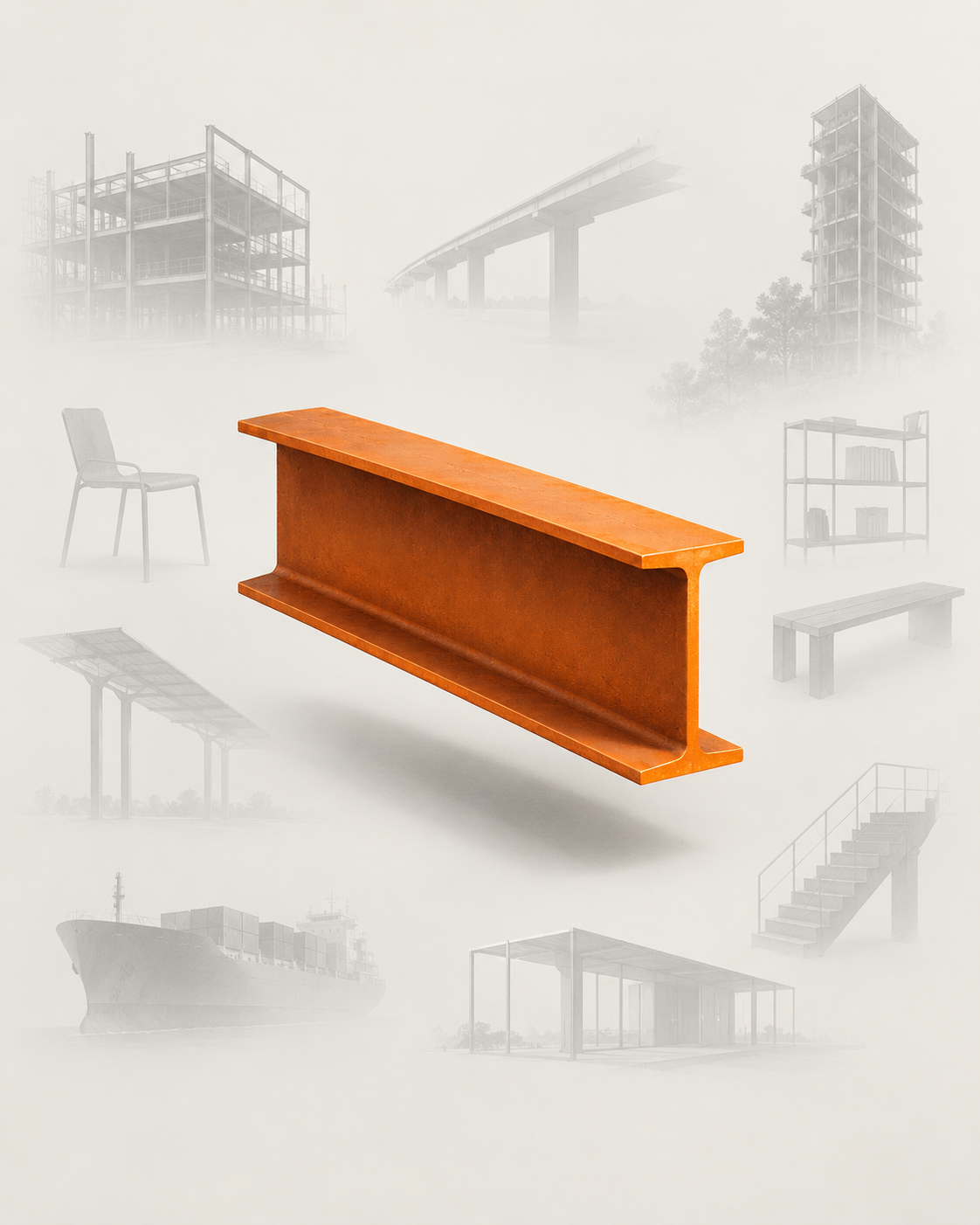
BORROWED MATTER
A pr-ide Design Vision Study


Leave A Comment
You must be logged in to post a comment.